Wondering how to sell your Dominican home without getting buried in permits, prep decisions, and last-minute surprises? If you own a home in this part of San Rafael, you are not just selling square footage. You are often selling character, setting, and years of stewardship. With the right plan, you can reduce stress, stay ahead of local requirements, and position your home for a stronger result. Let’s dive in.
Start With Dominican’s Selling Reality
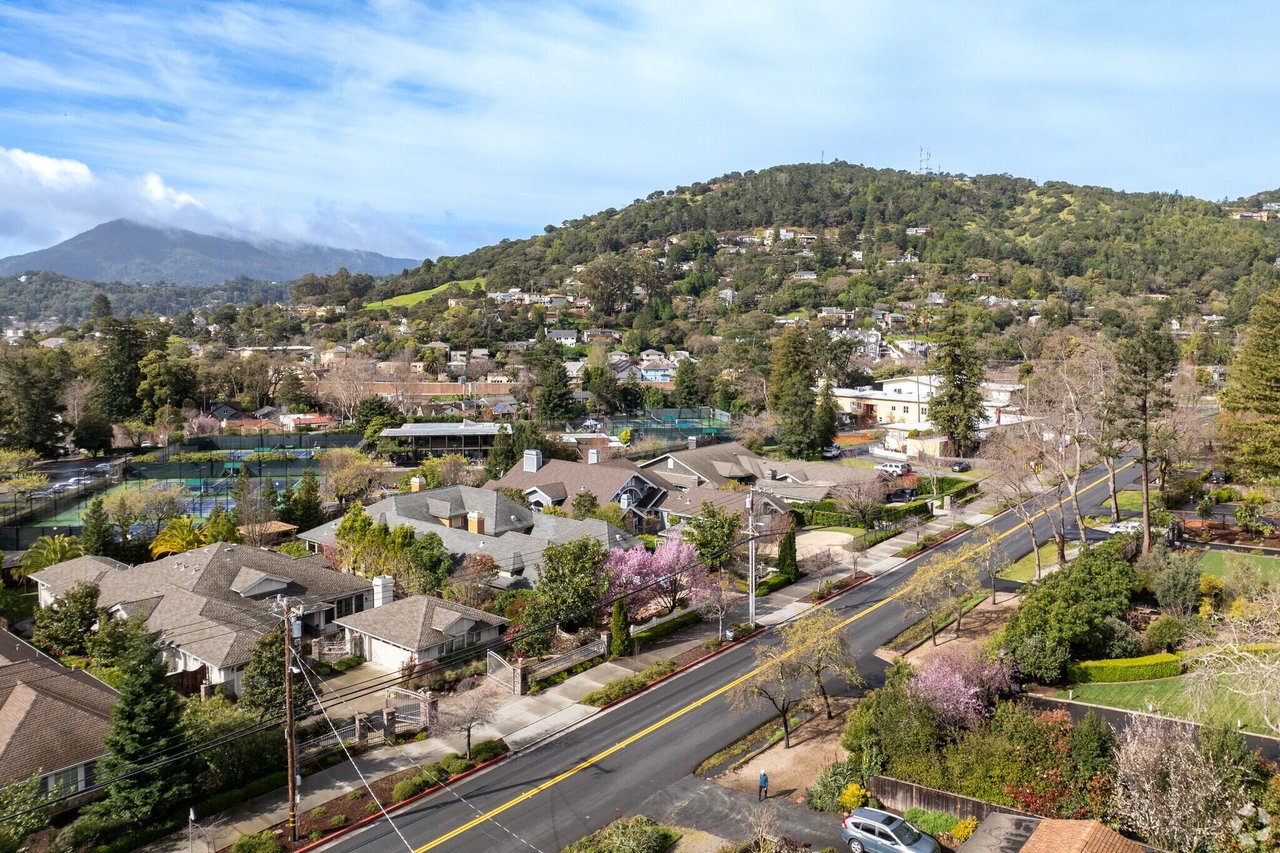
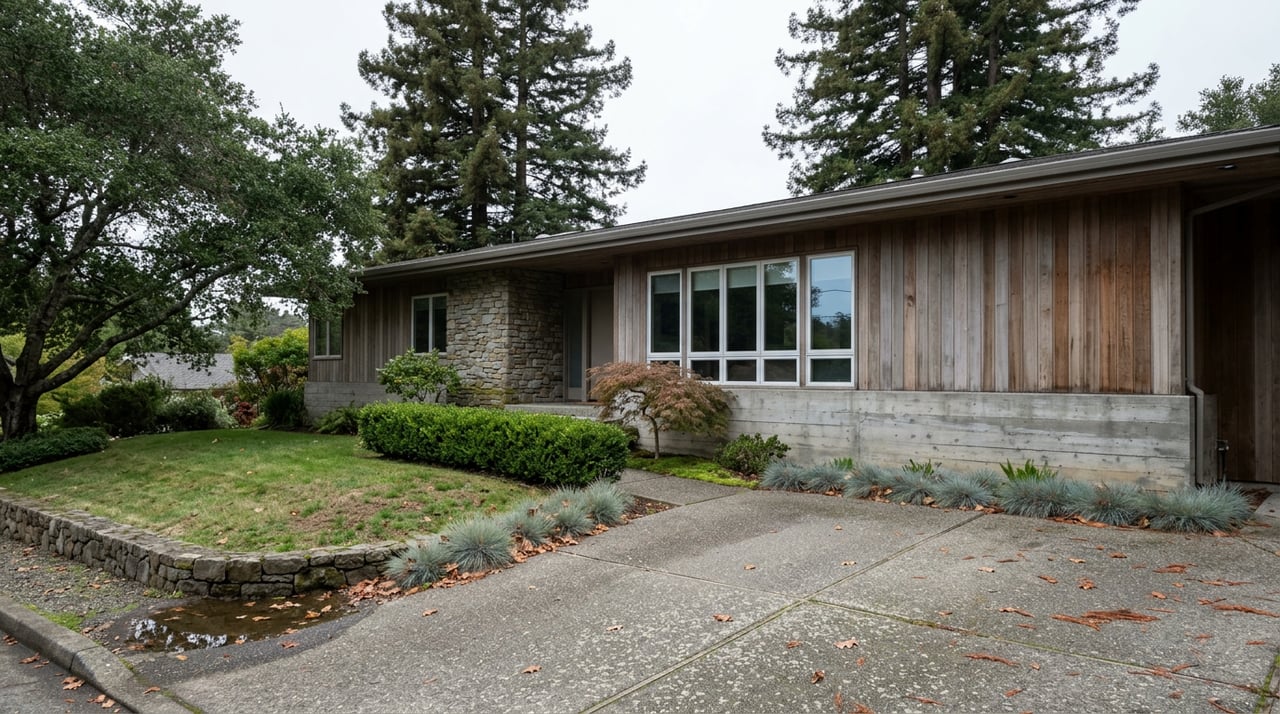
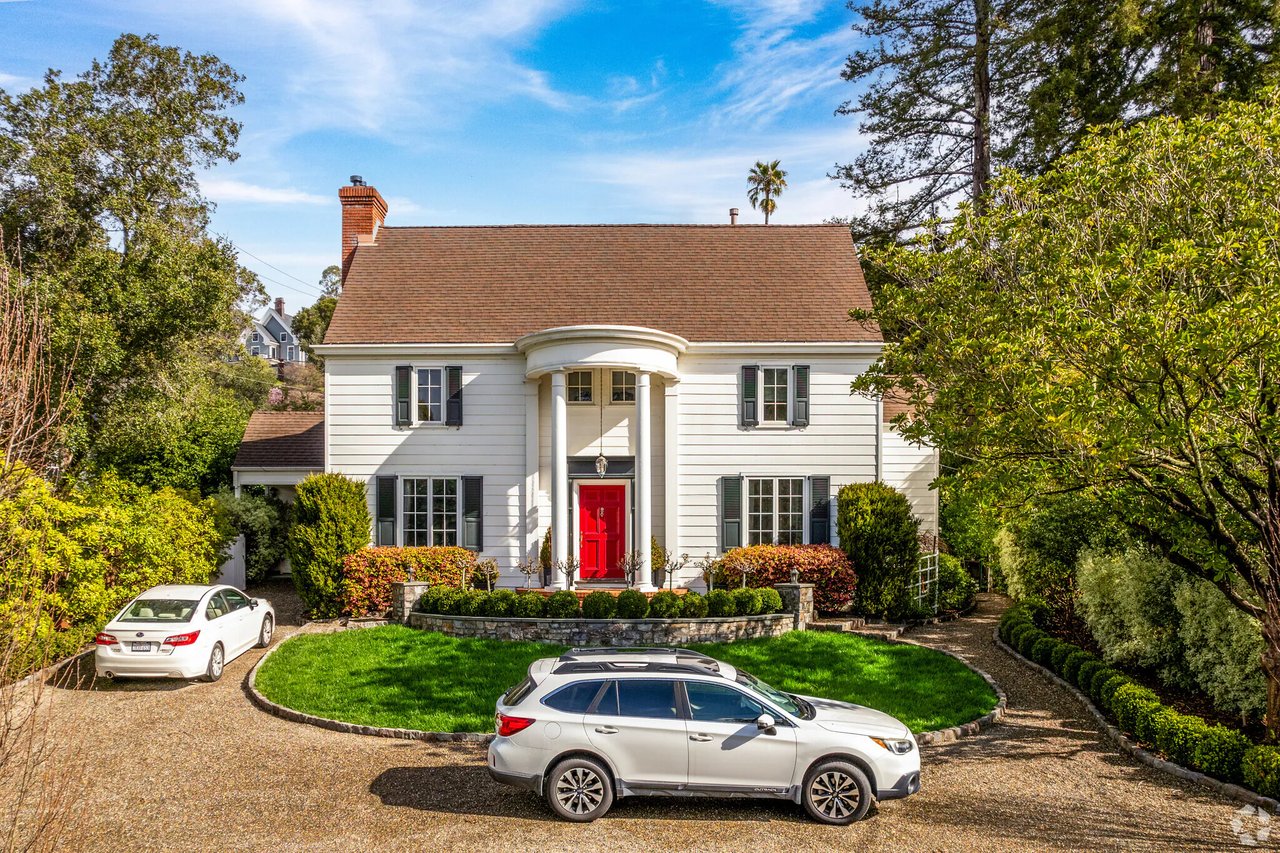
Dominican, also referred to in city planning materials as Dominican/Black Canyon, sits near the geographic center of San Rafael. The city describes it as a residential neighborhood centered on Dominican University, with single-family homes, duplexes, some condominiums, large trees, landscaped yards, and hillside open space.
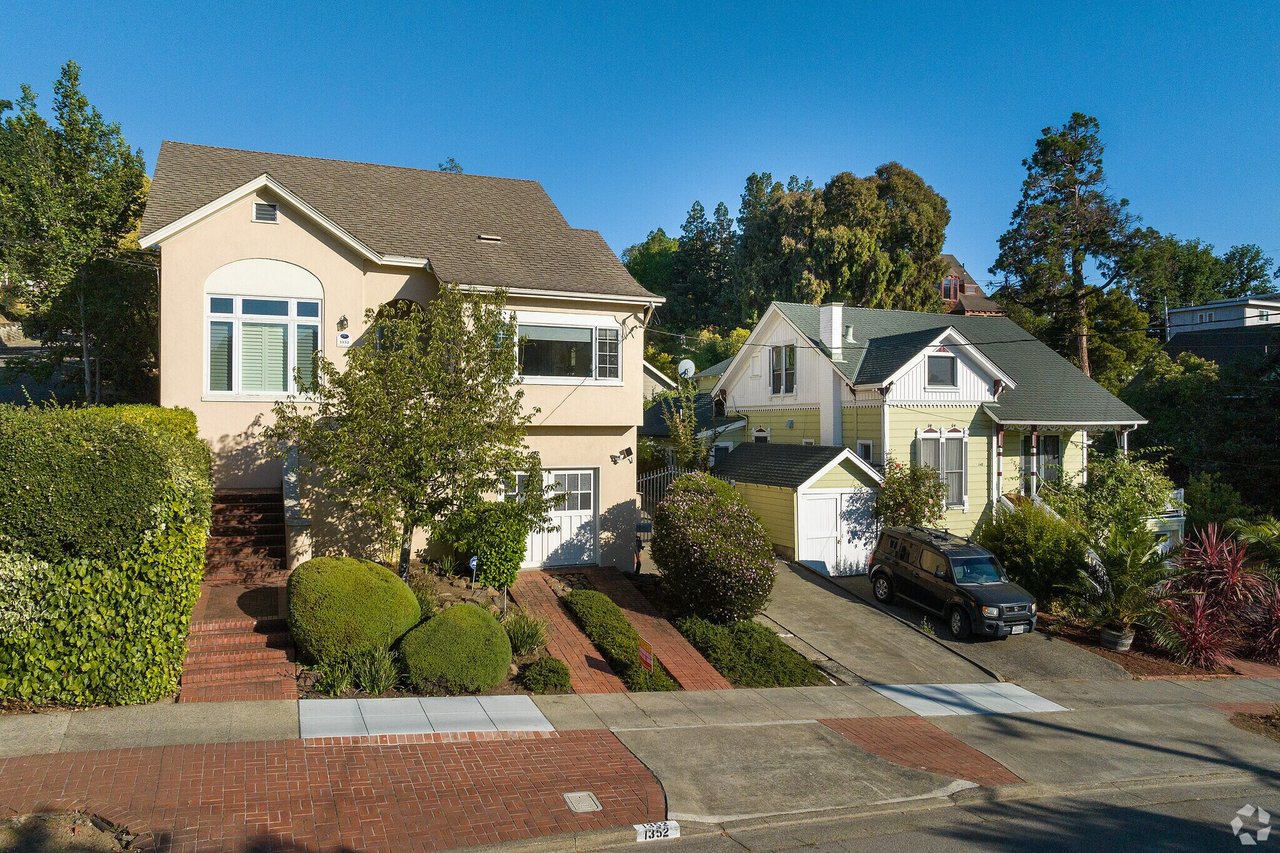
That setting shapes how buyers view homes here. Many single-family homes in the neighborhood were built in the late 19th and early 20th centuries, according to San Rafael’s General Plan. That often means buyers are paying attention to architectural details, upkeep, and how thoughtfully the home has been improved over time.
The city also notes neighborhood concerns around wildfire, landslide, and noise. For sellers, that means a smooth sale is not only about staging and photos. It also means preparing for disclosure, documentation, and condition questions early.
Know the Market Pace
Recent Redfin data for the three months ending May 2026 shows San Rafael homes selling in about 24 days, with an average of 2 offers and a median sale price of $1,284,231. Marin County overall posted a median sale price of $1,602,693, about 21 days on market, 56.6% of homes selling above list price, and an average sale-to-list ratio of 104.2%.
What does that mean for a Dominican seller? It points to a market where pricing still matters a great deal, even when buyer activity is healthy. In a neighborhood with older homes and varied property condition, buyers are likely to compare not just size and layout, but also permit history, maintenance, outdoor presentation, and the overall quality of preparation.
Order the Residential Resale Report Early
One of the most important steps in San Rafael is ordering the Residential Resale Report. The city requires this report whenever a residential property changes ownership.
The report includes a building permit records check and a physical inspection. It can identify permits, planning actions, and construction-related code enforcement cases tied to the property.
Timing matters here. The city says inspections are usually scheduled within 7 to 10 business days, and the completed report is typically issued about 3 business days after the inspection. If you wait until after accepting an offer, you may be creating avoidable delays.
What the resale report can uncover
The Residential Resale Report can surface unfinished or unpermitted work. Common examples may include:
- Decks
- Attic conversions
- Garage conversions
- Retaining walls
- Kitchen remodels
- Bath remodels
If any of these apply to your home, it is wise to review them before listing. A buyer who discovers permit issues late in escrow may ask for credits, repairs, or more time.
Check Permit History Before You Prep
San Rafael requires building permits for work that builds, enlarges, alters, removes, demolishes, or repairs a structure. That matters if you are planning pre-sale improvements.
Some common seller-prep projects may qualify for streamlined permits through the city’s minor-permit process. These can include water heater or furnace replacement, re-roofing, same-size window and door changeouts, and some electrical or plumbing work.
Larger projects still need plan review. If your goal is a cleaner, less stressful sale, smaller high-impact improvements are often easier to manage than bigger projects that add complexity.
Smart pre-listing project choices
If you are deciding what to improve before listing, focus on projects that are easier to document and explain. In practical terms, that may mean prioritizing:
- Repairs that correct obvious deferred maintenance
- Safety-related fixes
- Cosmetic updates with a clear finish line
- Work that can be properly permitted if needed
This is where a renovation-aware strategy can make a real difference. A seller does not always need the biggest remodel. Often, you need the clearest plan.
Prepare Disclosures With Care
California sellers are also expected to provide a Transfer Disclosure Statement. The California Department of Real Estate says this form covers the property’s physical condition and potential hazards or defects.
There is also a separate Natural Hazard Disclosure Statement. This map-based disclosure addresses issues such as earthquake, flood, fire-hazard, and wildland-fire areas.
In a neighborhood where hillside conditions and wildfire concerns can come into play, these forms should not be treated like paperwork to rush through at the end. A thoughtful, organized disclosure package can help buyers feel informed and reduce the chance of renegotiation later.
Don’t Overlook Lead Rules for Older Homes
Because many Dominican homes were built decades ago, lead-based paint rules may apply. California’s Department of Public Health says lead-based paint disclosure rules apply to homes built before 1978.
The EPA says sellers of pre-1978 homes must provide the lead pamphlet, a federal warning statement, and any known lead-hazard information before the buyer is obligated under contract. If renovation work disturbs lead-based paint, certified firms and lead-safe work practices are required.
This is another reason to plan ahead. If you are considering paint, repair, or surface work before listing, it helps to know whether the age of the home changes how the work should be handled.
Address Wildfire Readiness Early
San Rafael says vegetation standards apply citywide, and property owners have a year-round responsibility to maintain vegetation. The Fire Department also offers year-round assessments.
The city’s AB-38 guidance adds that many properties fall within the local High Fire Hazard Severity Zone. For covered homes listed for sale, a defensible-space inspection through the Fire Department must be scheduled.
Why this matters before listing
Wildfire-related requirements can affect timing, paperwork, and buyer confidence. If your property falls within an applicable fire hazard area, dealing with this early can help you avoid scrambling once the home is on the market.
A few practical early steps include:
- Confirm whether the property is in a relevant fire hazard zone
- Review vegetation maintenance needs
- Schedule any required inspection as early as possible
- Keep records of completed work and inspection outcomes
Be Mindful of Historic and Design Review Issues
San Rafael is the oldest city in Marin County, and the city notes hundreds of survey sites that may merit preservation attention. If your property appears on the city Historic/Architectural Survey or sits in a historic district, exterior modifications or demolition may require Planning Commission review.
The city also points property owners to additional design rules in hillside, canalfront, shoreline, and historic-sensitivity areas. That does not mean every seller faces a major issue. It does mean that if you have made changes, or are thinking about making them, you should understand whether special review applies.
For Dominican sellers, this is especially relevant because older homes often carry both charm and extra review considerations. Buyers tend to appreciate character, but they also want confidence that work has been handled correctly.
Price a Character Home With Precision
In a fast-moving market, it can be tempting to focus only on recent comparable sales. That is important, but in Dominican it is only part of the story.
A home’s value here may also be shaped by condition, permit clarity, wildfire readiness, landscaping, and how well the home’s character is presented. The neighborhood’s appeal includes attractive architecture, large trees, landscaped yards, hillside trails, and views, according to the city’s General Plan.
That means your pricing and marketing should reflect more than finishes. Buyers are often responding to the full package, including setting, design, and evidence of thoughtful care.
What strong presentation can highlight
For a Dominican home, strong presentation may focus on:
- Architectural character
- Natural light and layout flow
- Mature landscaping and outdoor spaces
- Hillside or neighborhood views where applicable
- Documented improvements and upkeep
- A clean, organized property story
This kind of positioning fits the neighborhood better than a generic one-size-fits-all approach.
Build a Timeline That Reduces Stress
A smoother sale usually starts with the right sequence. Based on local requirements, a front-loaded plan can prevent many common delays.
A practical order of operations may look like this:
- Order the Residential Resale Report
- Pull permit history and review past work
- Check hazard-zone status and wildfire requirements
- Decide on repairs or cosmetic improvements
- Complete any needed permits or inspections
- Prepare disclosures
- Stage, photograph, and launch the listing
This order helps you make prep decisions with better information. It is much easier to market confidently when you already know what the city records and required inspections show.
Budget for Local Closing Costs
Sellers should also account for transfer taxes tied to closing. Marin County lists a documentary transfer tax of $0.55 per $500 of value countywide, plus a City of San Rafael tax of $2.00 per $1,000 of value.
These costs should be part of the planning conversation early, especially if you are also budgeting for repairs, staging, or pre-sale improvements. A realistic budget supports better decisions and fewer surprises.
Why Coordination Matters So Much
If you are selling a long-time family home, downsizing, or handling an estate sale, the process can feel like several jobs at once. You may be dealing with inspections, disclosure forms, contractor timing, vegetation work, and moving logistics all at the same time.
That is why coordination matters. Keeping the resale report, permit sign-offs, wildfire documentation, staging timeline, and disclosure package organized under one clear plan can make the entire sale feel much more manageable.
For many Dominican sellers, the best outcome comes from calm preparation, not rushed reaction. A strategic approach can protect your timeline and help your home show at its best.
If you are preparing to sell in Dominican, San Rafael, thoughtful planning can make a meaningful difference in both your experience and your result. When you want hands-on guidance with seller prep, presentation strategy, and a smoother path to market, connect with Garrett Burdick.
FAQs
What is required to sell a home in San Rafael?
- San Rafael requires a Residential Resale Report when a residential property changes ownership, and sellers also typically prepare disclosure forms such as the Transfer Disclosure Statement and Natural Hazard Disclosure Statement.
How long does a San Rafael Residential Resale Report take?
- The city says inspections are usually scheduled within 7 to 10 business days, and the completed report is typically issued about 3 business days after the inspection.
What permit issues can affect a Dominican home sale?
- Unfinished or unpermitted work such as decks, garage or attic conversions, retaining walls, and kitchen or bath remodels can affect timing and negotiations if they surface late.
Do older Dominican homes need lead-based paint disclosure?
- If the home was built before 1978, lead-based paint disclosure rules apply, and sellers must provide the required disclosure materials and any known lead-hazard information before the buyer is obligated under contract.
Are wildfire inspections part of selling a home in San Rafael?
- Many properties fall within the local High Fire Hazard Severity Zone, and covered homes listed for sale must schedule a defensible-space inspection through the San Rafael Fire Department.
What closing costs should San Rafael home sellers expect?
- Marin County lists a documentary transfer tax of $0.55 per $500 of value, and the City of San Rafael adds a transfer tax of $2.00 per $1,000 of value.