Open three tabs for Peacock Gap homes on a Tuesday afternoon and you will see three different medians. One site puts the neighborhood at $1,520,000. Another shows something north of $2 million for the same zip. A third, filtering for condos only, lands at $375,000. None of these numbers is wrong. They are just answering different questions, and if you are trying to figure out what your money buys on Point San Pedro Road, the gap between them is the actual story.
Most buyers treat a neighborhood median the way they treat a speed limit sign: a fixed number that applies uniformly. In Peacock Gap that assumption breaks down fast, because the neighborhood isn't one housing product wearing one price tag. It's three distinct markets sharing a mailing address, and a small one at that. When only a handful of homes close in a given month, whichever segment happens to trade that month swings the average hard enough to make the whole neighborhood look like it repriced overnight.
Three markets, one zip code
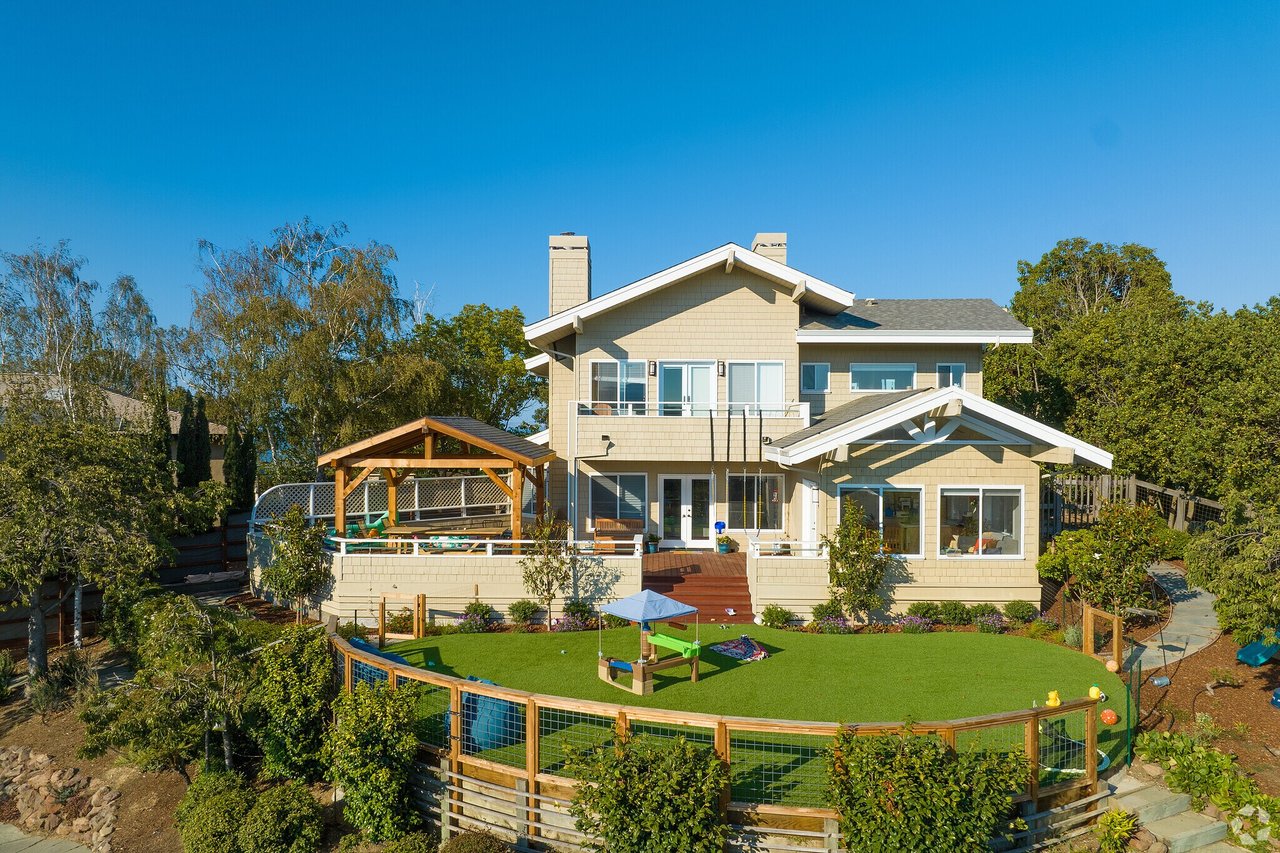
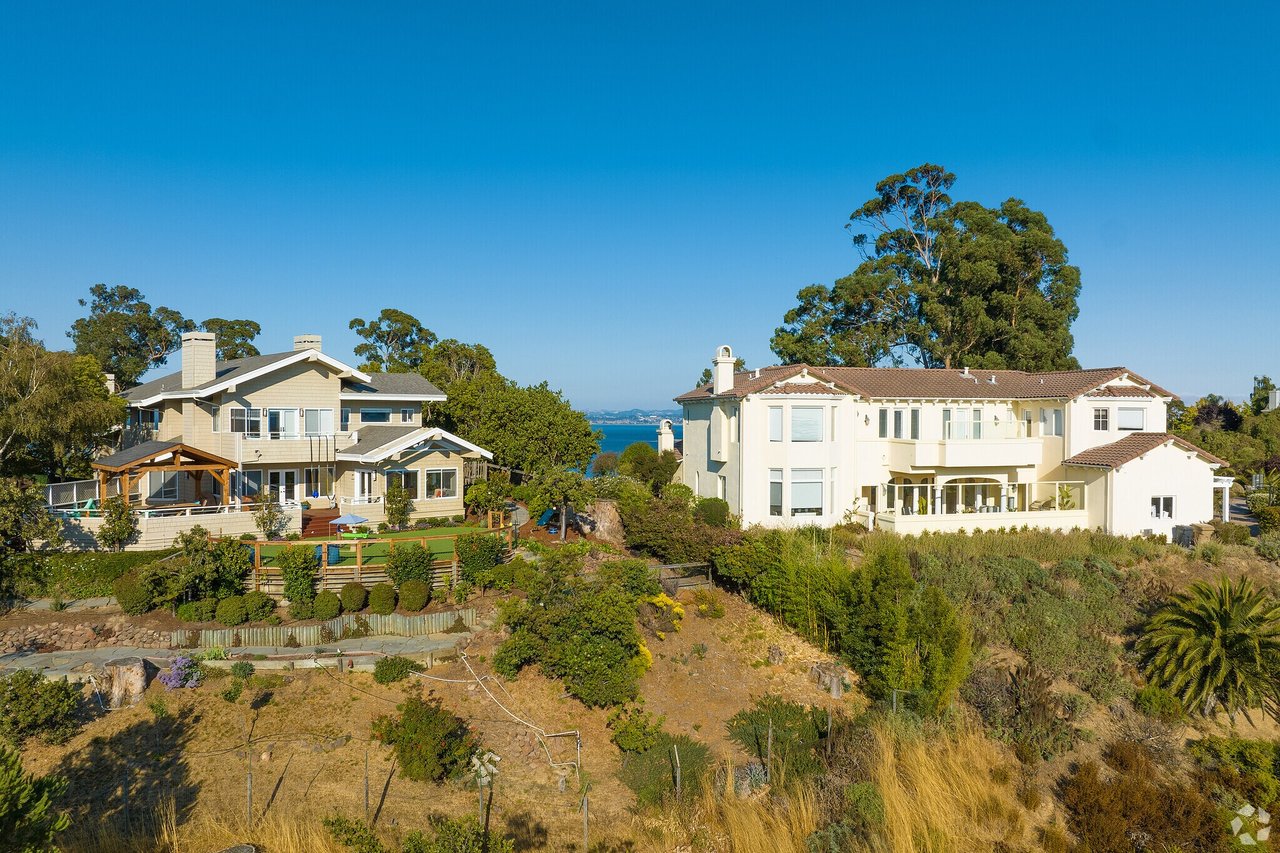
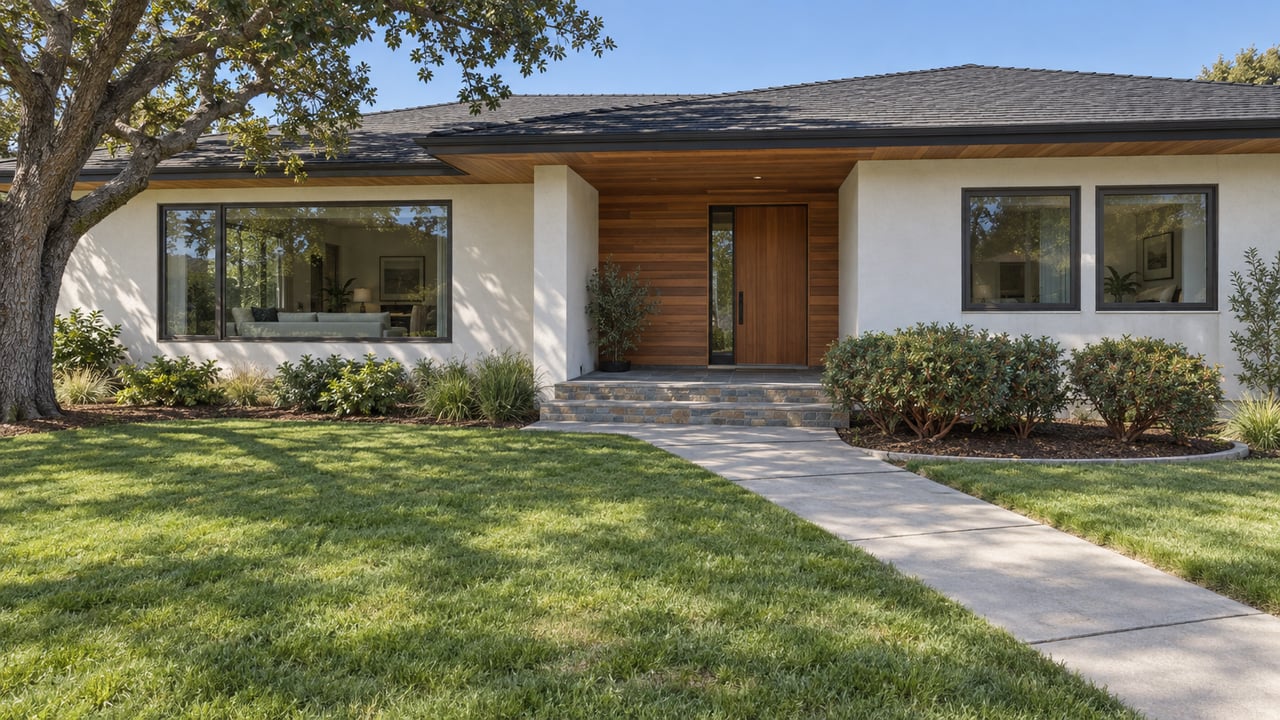
Peacock Gap took shape starting in 1961, built out through the late 1980s on land that once belonged to a 19th-century dairy farmer named Thomas Peacock. That build-out produced real variety: midcentury ranch homes, Craftsman-influenced houses, and Mediterranean-style estates, all sitting inside the same boundary lines. Three decades of construction on flat, hill-framed land created a neighborhood where "typical" depends entirely on which street you're standing on.
Segment | What sets it apart | What the data shows |
|---|---|---|
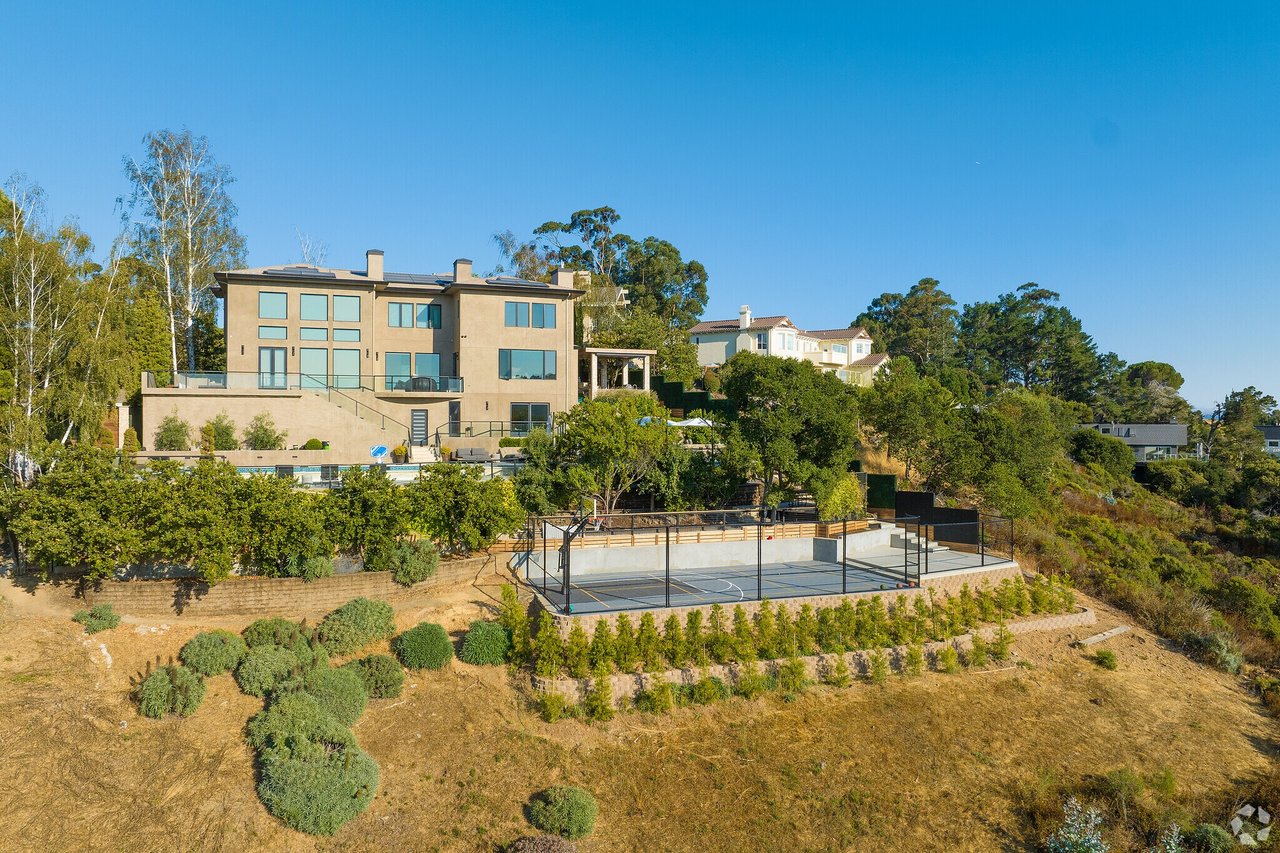
Golf-course frontage | Single-level homes and remodels facing the fairway or lagoon, often with no rear neighbors | Redfin's most detailed market read put single-family price per square foot near $826, up about 24 percent year over year |
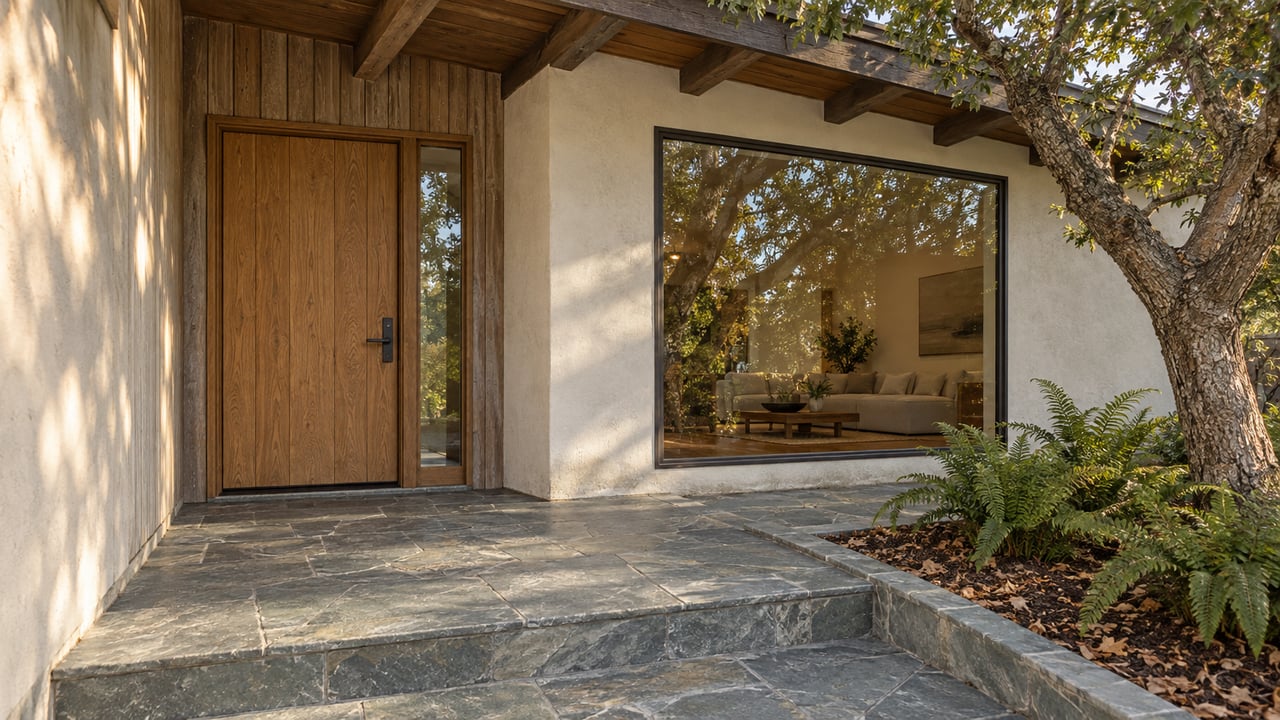
Interior tract streets | 1960s-to-80s ranch and Craftsman-style homes on flat lots away from the course, the bulk of the housing stock | These are the homes most likely to land near the neighborhood-wide median Redfin reported at $1,520,000 in January 2026 |
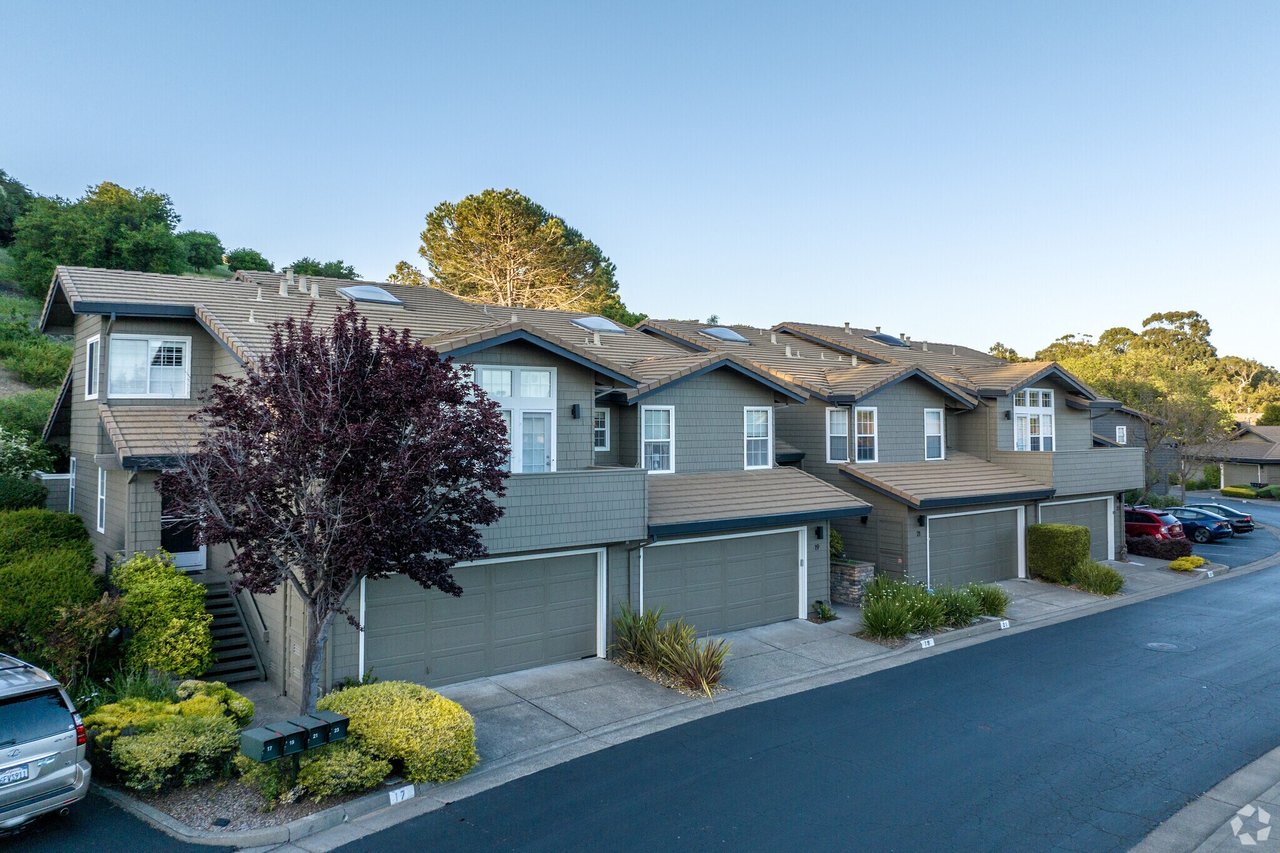
Condo and townhouse cluster | Complexes like the 30 Knoll Recreation Townhouses, smaller footprints, shared maintenance | Homes.com's condo-only breakdown showed a median of $375,000 |
A golf-front remodel and a Knoll townhouse are not competing for the same buyer, and they should not be flattened into the same average. But nearly every portal does exactly that, because the neighborhood boundary doesn't distinguish between them.
Why the number moves so much
Here's the part that actually matters if you're budgeting: Peacock Gap doesn't sell in volume. Redfin logged 13 homes sold in a recent May, up from just 5 the year before. That is not a typo. In a market that thin, one golf-front closing and one townhouse closing in the same month can pull the median in opposite directions depending on which one happens to record first. This is why Homes.com's own pages disagree with each other. One shows a trailing 12-month median of $2,175,000, up 22 percent. Another, pulling from sold listings specifically, shows $1,775,000, down 15 percent. Same neighborhood, same company, different snapshot of which handful of sales got counted.
This is not a data quality problem you can fix by finding a better website. It's what happens mathematically when you divide a small, mixed-product market into a single number. The fix isn't a better median. It's asking which segment you're actually shopping in before you anchor to any number at all.
The pace of sales tells a similar story once you separate it from price. Redfin's competitiveness score for Peacock Gap sits at 86 out of 100, with homes typically going pending in 21 days and hot listings moving in as few as 11 with offers running 3 percent over list. That pace is real, but it is driven disproportionately by the golf-front and interior single-family segments, where San Rafael's broader appetite is strongest. Citywide, San Rafael's median list price sat at $1.39 million in June 2026 with homes spending a median of 47 days on market and listing near $663 per square foot. Peacock Gap's single-family segment is running well ahead of that citywide pace on both price and speed. The condo segment, at 38 days on market per Homes.com's own tracking, moves closer to the citywide rhythm.
What this means for your specific number
If you have a number in your head, a strong first move is figuring out which of the three Peacock Gap markets it actually lands in, rather than comparing it to whichever median a search result happened to serve you that day.
A budget in the low $400,000s is a condo or townhouse conversation, likely inside a complex like 30 Knoll. A budget in the $1.2 to $1.6 million range is squarely interior tract-street territory, the flat-lot ranch and Craftsman homes built through the 1960s, 70s, and 80s away from the fairway. A budget north of $2 million, particularly with a preference for single-level living, starts to intersect with golf-course frontage, where the $826 per square foot figure and the 24 percent year-over-year jump start to make sense as a story about scarcity rather than a market-wide trend.
None of this shows up if you only look at a single median. It shows up when you ask which comparable sales actually match the house you're touring, street by street, not zip code by zip code.
The parts of Peacock Gap the price doesn't capture
Some of what buyers are actually paying for in the golf-front segment isn't square footage at all. Peacock Gap Golf Club has anchored the neighborhood since William F. Bell began designing the course in 1958, with the club officially established in 1960. It's rated "Best of the County" by Marin Magazine and carries what's described as Marin's only all-grass driving range, which matters to the specific kind of buyer chasing a fairway view rather than just proximity to a golf amenity somewhere in the zip code.
The rest of the neighborhood's draw sits outside any single home's lot line. China Camp State Park, 1,514 acres with 15 miles of trails for hiking, biking, and running, sits just to the north. McNears Beach Park and Loch Lomond Marina add water access on the other side. Most of the community was built without overhead power lines, a detail longtime residents mention more often than you'd expect. The HOA runs a summer block party and a fall anniversary celebration, the kind of recurring, low-key event that tells you more about day-to-day life here than a listing sheet does. For dining and errands, residents lean on Le Chalet Basque and Sol Food, with Whole Foods and Andy's Local Market covering groceries.
None of that shows up in a median. All of it shows up in what a buyer is actually willing to pay once they've toured the street, not just read the number.
A few questions worth asking before you trust any number
Why do golf-course homes carry such a premium over interior streets in the same neighborhood? Frontage on the course removes rear neighbors and adds a view that can't be replicated elsewhere in the tract, and there's a fixed supply of lots that touch the fairway. That scarcity, not general appreciation, is most of what's driving the per-square-foot gap.
Does a low monthly sales count mean the market is weak? Not necessarily. Sales can be sparse in a neighborhood this size, and that low volume means any single closing, especially an unusual one, can distort the reported median for weeks until enough new sales come in to smooth it back out.
Should I compare a Peacock Gap condo to a Peacock Gap single-family home when judging value? Not directly. They serve different buyers, carry different maintenance structures, and trade at different paces. Compare each to its own segment, not to the blended neighborhood number.
If you're trying to figure out which of these three Peacock Gap markets actually fits your number and your priorities, that's a conversation worth having before you fall in love with a median that was never describing the house you want anyway. Garrett Burdick has spent years walking these specific streets, golf-front and interior alike, and can tell you which comps actually apply to the home you're considering. Let's Connect.
*Images sourced from homes.com