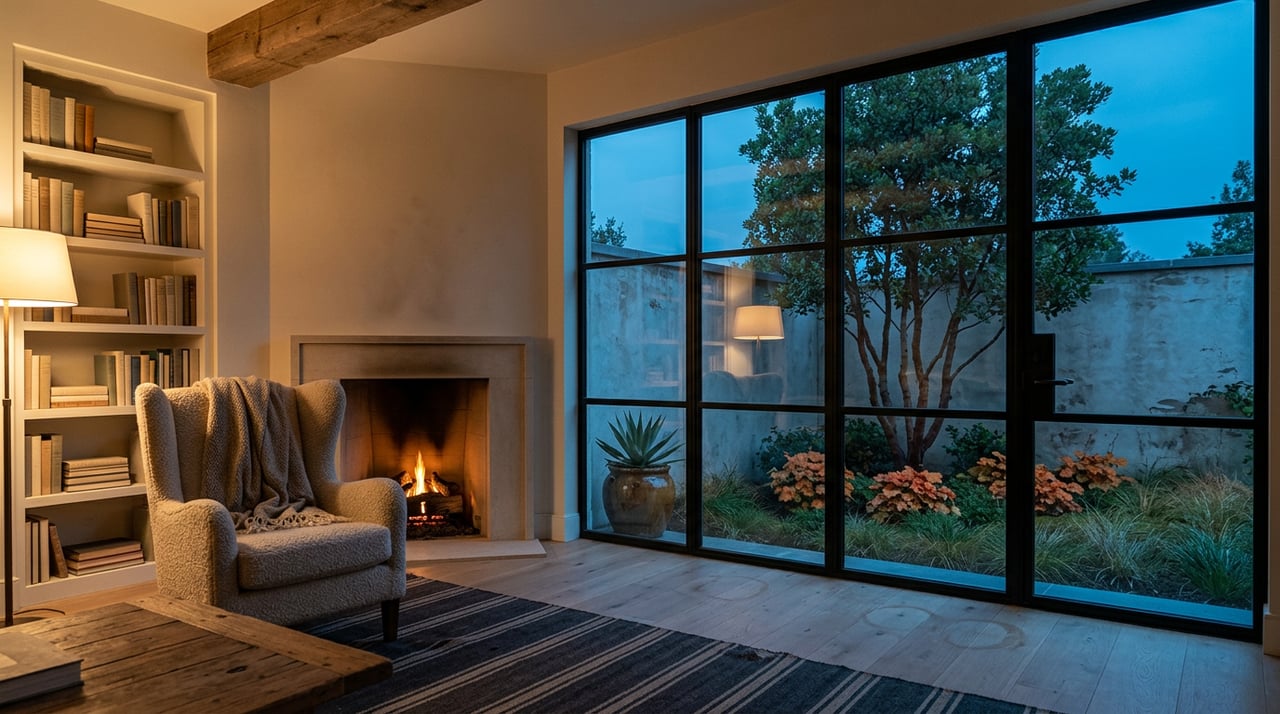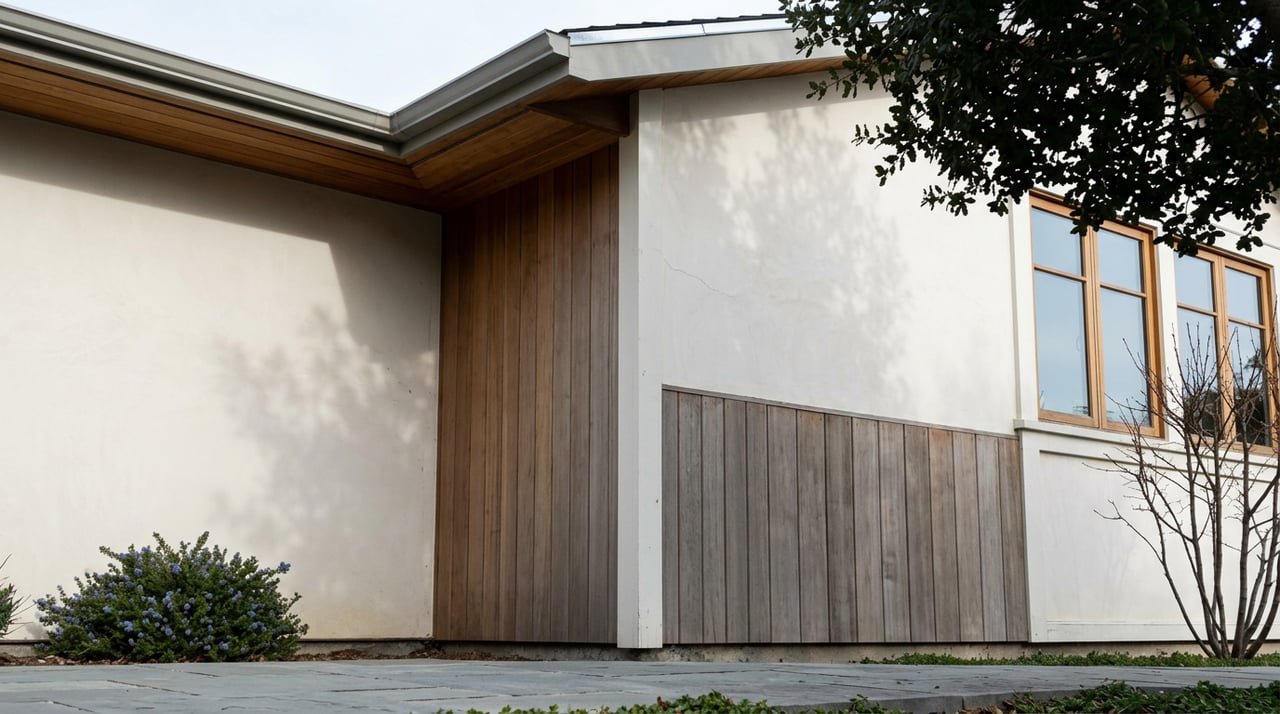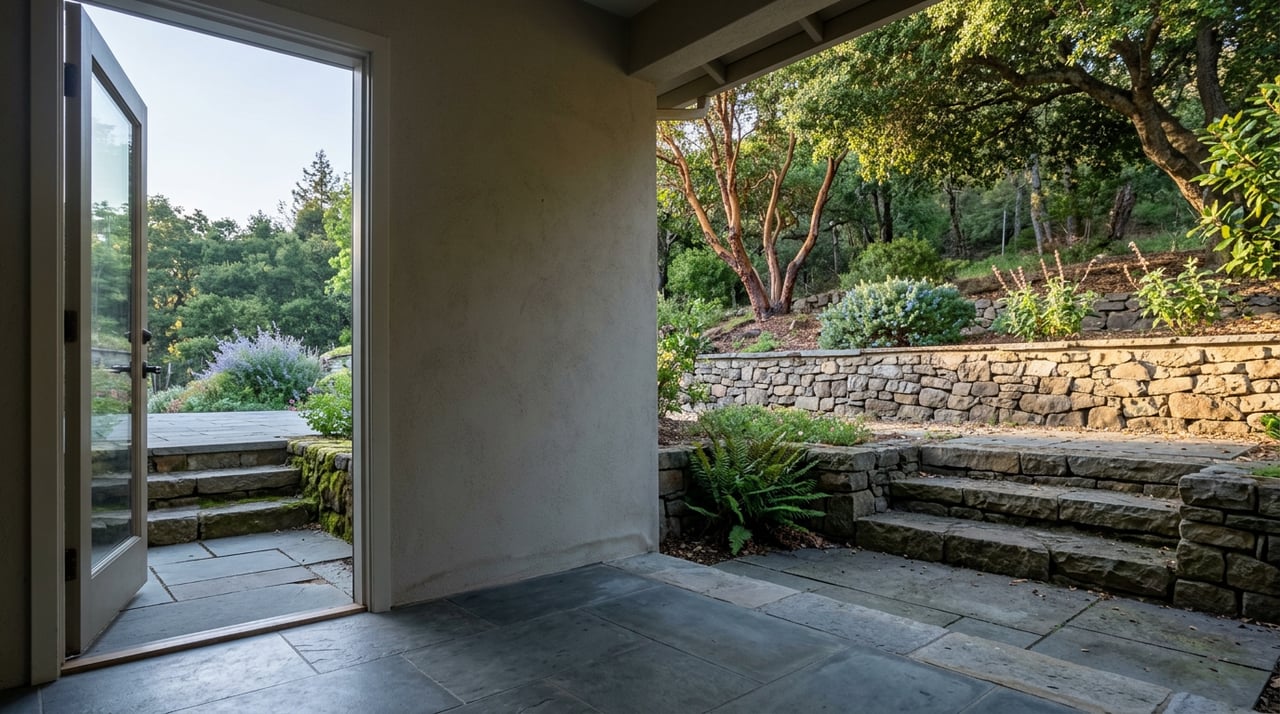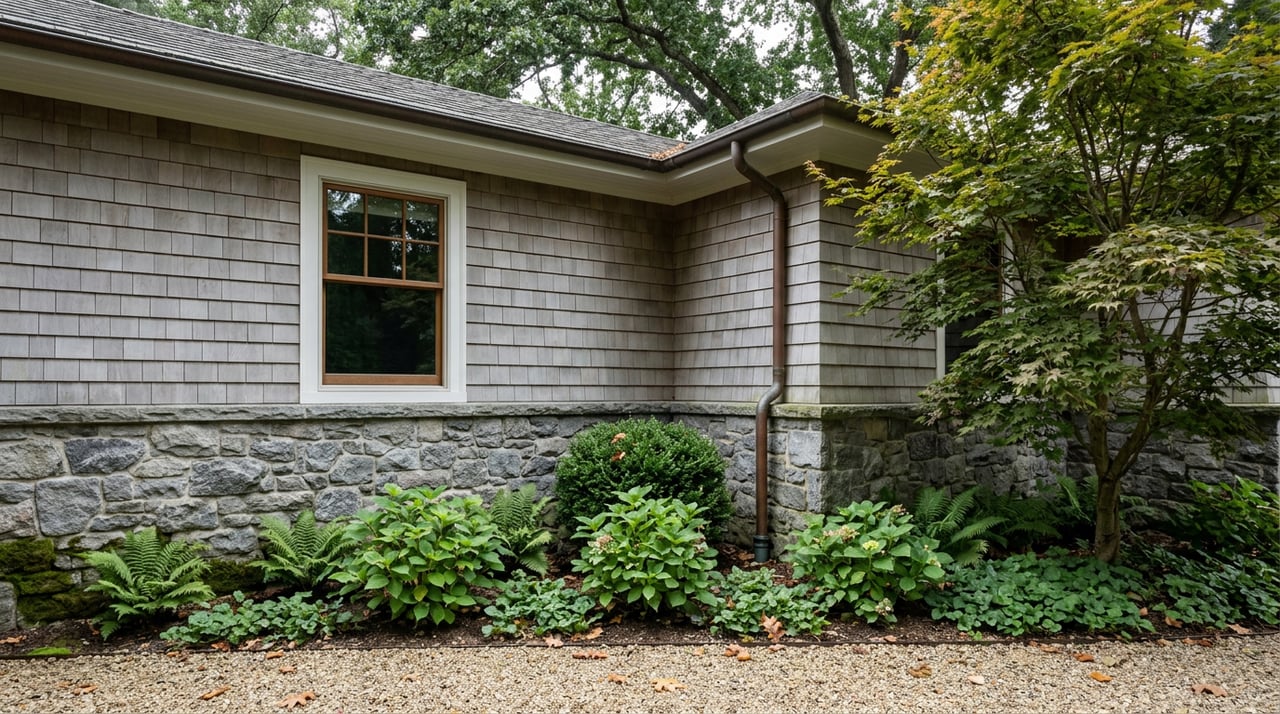
"Currently, the San Rafael Sanitation District does not require that a sewer lateral inspection be conducted prior to the sale of the property."
That single sentence sits on the city's own website, and it answers a question most Dominican sellers never think to ask until an inspector is already standing in the crawl space. If you're selling a home east of Highway 101, in the neighborhood built around Dominican University of California, that sentence applies to you. Drive fifteen minutes north to Terra Linda or Marinwood and the same question gets a different answer entirely.
San Rafael runs on two separate sewer agencies, and they do not agree on what a seller owes a buyer before closing.
A City Split at the Ridge
The San Rafael Sanitation District governs the central and eastern parts of the city, the older ground that includes downtown, Gerstle Park, the West End, and Dominican. North of that line, the Las Gallinas Valley Sanitary District takes over, covering Terra Linda, Marinwood, Lucas Valley, and Santa Venetia. Two districts, two ordinances, two very different relationships to your closing date.
Under SRSD, there is no point-of-sale trigger. The district's own guidance is direct: it doesn't require a private lateral inspection as part of a sale, though it recommends one whenever sewer-related work is proposed. Cross into Las Gallinas territory and the posture flips. That district requires inspection of any home listed for sale once its value clears a modest threshold, essentially catching every transaction, with a standard ten-business-day review running $250 and an expedited five-day option at $500.
A local plumbing contractor who works both sides of the boundary put it plainly in their own guide to the city: which agency governs your address changes the paperwork, the inspection timing, and whether an inspection is triggered when you sell. That is not a nuance. That is the whole answer, and it depends entirely on which side of an invisible line your parcel happens to sit.
For Dominican, the answer is that nobody is going to make you look at your own pipe. Which is precisely why looking matters more here than almost anywhere else in the city.
Why the Exemption Doesn't Mean What It Sounds Like
"Not required" reads like a reassurance. In practice it means the district isn't going to ask, not that there's nothing to find. San Rafael Sanitation still issues sewer permits at no charge when work is proposed, and inspections have to be scheduled at least 72 hours in advance, which tells you the infrastructure for checking exists. The district simply isn't the one holding a seller's feet to the fire.
That distinction gets sharper once you look at what's actually running under Dominican's streets. This is one of San Rafael's oldest residential pockets, built out in layers rather than all at once. The earliest homes date to the first decade of the 1900s, grand estates on generous lots, some of which served as retreats for wealthy San Francisco families before they became year-round residences. The neighborhood filled in further through the 1920s and 1930s with Tudor Revivals and Craftsman construction, then again in the 1950s and 60s as mid-century homes and California bungalows arrived alongside a new wave of residents. Contemporary rebuilds have layered in more recently, but the older stock is still very present on Dominican's tree-lined streets.
Original clay sewer laterals were standard practice for most of that build-out. Clay pipe develops cracks, sags, and root intrusion over decades, and none of that shows up in a kitchen remodel or a fresh coat of paint. A house can be beautifully updated on the inside and still be running wastewater through a line installed before the Second World War. SRSD not requiring an inspection doesn't change the age of that pipe. It just means the district isn't the one who's going to tell you about it.
The Cheapest Look at the Most Expensive Pipe
"If you are buying an older San Rafael home, camera the lateral during the inspection period."
That's the advice one local plumbing company gives buyers, and it applies just as directly to sellers who'd rather control the narrative than react to it. A camera scope of a sewer lateral typically runs a few hundred dollars. A collapsed or root-choked lateral discovered mid-escrow can mean a five-figure repair, a renegotiated price, or a buyer who walks. The math only works one direction.
For a Dominican seller, the calculation isn't about satisfying a district requirement that doesn't exist. It's about deciding whether you'd rather know what a buyer's inspector is going to find, on your timeline, before the property hits the market, or find out about it during the buyer's inspection contingency with a motivated buyer reading the report at the same time you are.
A few things worth settling before a Dominican home goes on the market:
- Confirm your parcel actually falls under SRSD rather than Las Gallinas Valley Sanitary District. The boundary follows the ridge that splits the city, but the only way to know for certain is to check your specific address against each district's service area.
- If a scope turns up root intrusion or a cracked section, get a repair estimate before you price the home, not after an offer comes in contingent on it.
- Keep the scope report on hand for your own disclosure conversation, even where the district doesn't require one. A seller who volunteered the information reads very differently than a seller who didn't know.
- If you're already coordinating other pre-sale work, ask your contractor to check whether a storm drain has ever been tied into the sewer lateral. San Rafael Sanitation flags this directly, since it's a common issue in older construction and one that shows up on a camera scope anyway.
Where This Fits Into the Bigger Prep Conversation
This is exactly the kind of detail that tends to surface late in a listing timeline, usually because nobody asked the district-boundary question early enough. It belongs in the same conversation as roof condition, foundation type, and whatever else a buyer's inspector is going to spend a morning documenting. Sellers who treat pre-listing preparation as a single coordinated pass, rather than a scramble that starts after the first offer, tend to close with fewer surprises and less renegotiation.
That's the same logic behind walking a Dominican estate room by room before it ever gets photographed. A hundred-year-old Craftsman with beautiful bones deserves the same scrutiny below the yard as it gets above it. Preparing a home for market means accounting for what's visible and what isn't, and a sewer lateral is about as invisible as it gets until the day it isn't.
A Few Questions Worth Settling First
How do I find out which sewer district my Dominican address falls under? The safest route is to contact San Rafael Sanitation District directly, since service boundaries follow parcel lines rather than neighborhood names, and a street can sit close to the edge of either district's coverage.
Does this affect buyers too, or only sellers? Buyers in SRSD territory won't see a district-mandated inspection either, which is exactly why an independent scope during the inspection period is worth requesting regardless of which side of the city a home sits on.
Is a voluntary sewer scope expensive? Camera inspections are a modest cost relative to what a lateral repair runs if a problem surfaces later, and the price is generally comparable to other standard pre-listing inspections a Dominican seller would already be budgeting for.
Every Dominican sale carries its own mix of age, condition, and history, and the sewer question is one small piece of a much larger preparation conversation. If you're weighing what to check, what to fix, and what to disclose before your home goes on the market, Garrett Burdick has spent years walking Marin sellers through exactly this kind of groundwork. Let's Connect.