Looking for a home in Dominican that feels special from the moment you pull up? This part of San Rafael stands out for its mature trees, established streets, and homes that often carry real architectural personality. If you are trying to balance charm, livability, and future upside, this neighborhood offers plenty to consider. Let’s dive in.
Why Dominican Feels Different
Dominican and Black Canyon is one of San Rafael’s most established residential areas. San Rafael’s General Plan 2040 describes it as a pleasant neighborhood with a wealth of history, outdoor beauty, and a park-like setting shaped by large trees, landscaped yards, and surrounding open-space access.
Dominican University is a big part of that identity. The area also includes long-standing neighborhood institutions, which helps explain why the neighborhood feels rooted and built over time rather than recently assembled.
For you as a buyer, that often means something important: Dominican is not a one-note neighborhood. It is a mixed-era area where lot setting, architecture, and overall livability can vary meaningfully from one home to the next.
Character Homes in Dominican
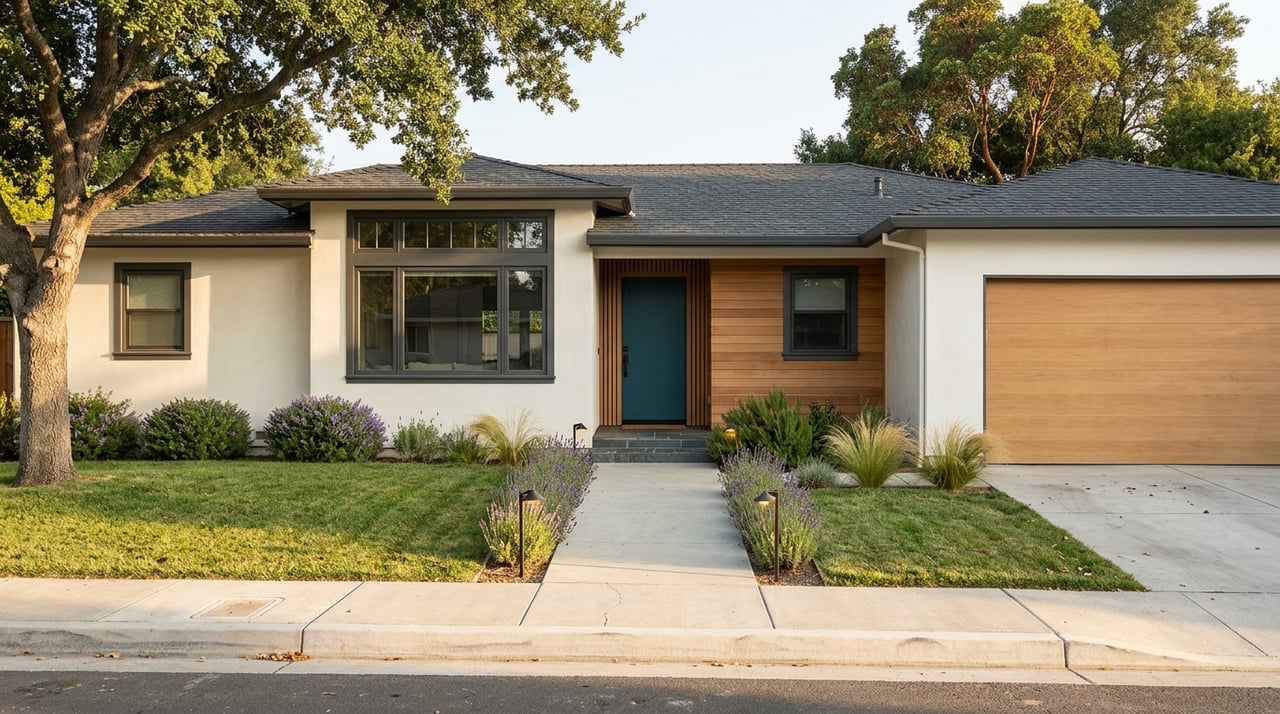
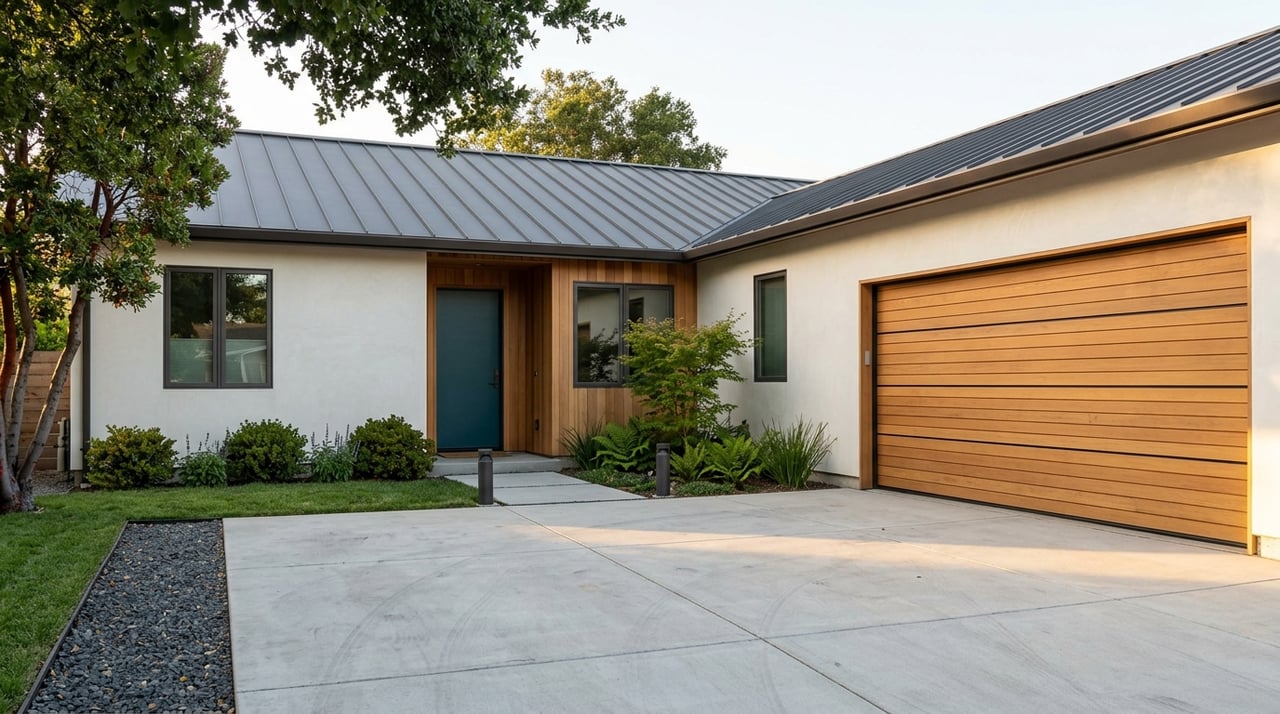
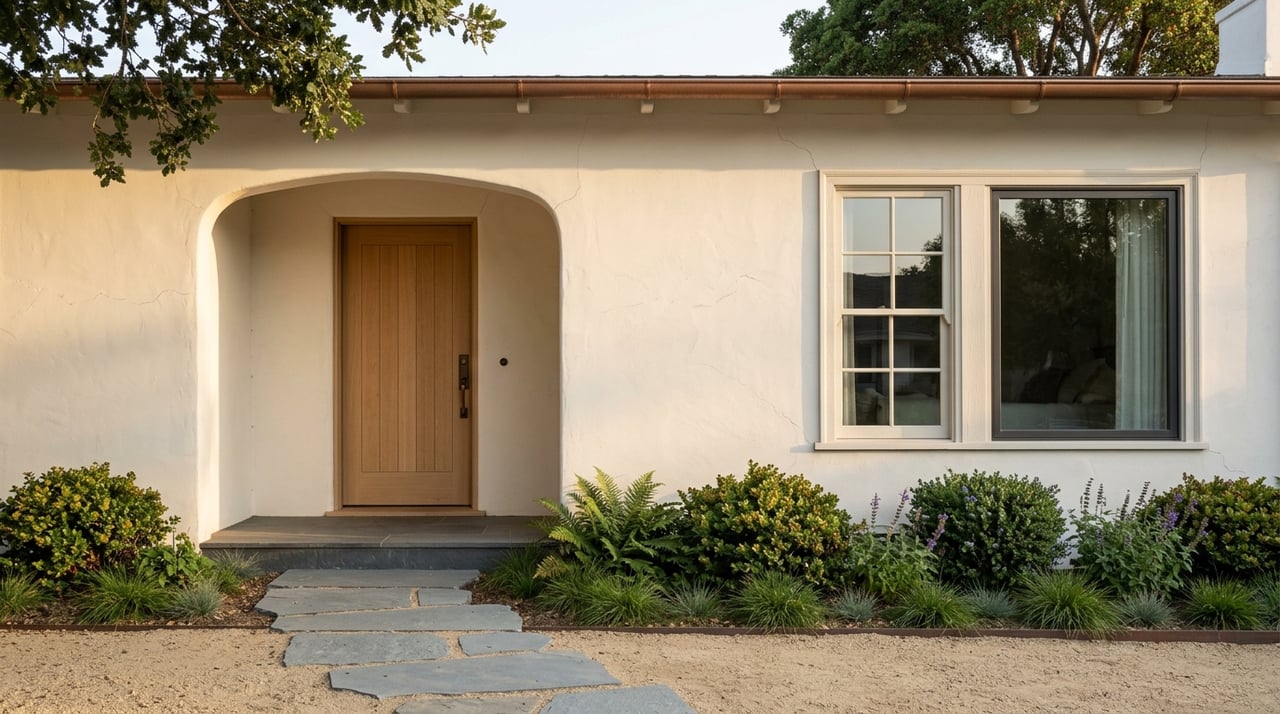
One of the biggest draws in Dominican is the range of housing styles. The city notes that many homes were built in the late 19th and early 20th centuries, while local neighborhood overviews also point to updated mid-century homes, larger contemporary builds, Victorians, and California bungalows.
That mix gives the neighborhood depth. Some homes still lean heavily into their original character, while others have been remodeled to support more modern living patterns.
What “character” can mean here
In Dominican, character is not just about age. It can show up in the relationship between the home and the lot, the way mature landscaping frames the property, or how original architectural details still shape the feel of the space.
You may find homes with period-driven layouts and finishes, or homes where earlier architecture has been thoughtfully updated. In either case, the most appealing properties tend to balance charm with how well the home actually works day to day.
A mixed-era neighborhood matters
This is not a neighborhood where every house tells the same story. A Victorian, a bungalow, and a mid-century home may all deliver value differently.
That is why it helps to compare more than surface updates. In Dominican, original floor plan, later additions, natural light, privacy, and how the house connects to the outdoors can matter as much as the kitchen finishes or paint color.
Where the Potential Comes In
Because Dominican is largely built out, the opportunity is often less about creating something entirely new and more about improving what is already there. The city’s General Plan says future development potential is limited outside university properties and remaining vacant parcels.
That scarcity supports the appeal of homes with strong bones, useful lots, and room for thoughtful updates. In a neighborhood like this, the quality of the existing home and site often carries long-term weight.
Updates that can add real value
Homes that combine period appeal with practical improvements often stand out. That might mean a better kitchen layout, more functional indoor-outdoor flow, or updates that make an older floor plan easier to live in.
Some Dominican homes may already have that balance. Others may offer the chance to improve circulation, open living spaces, or better connect the house to views, gardens, or outdoor areas.
Why site planning matters
In Dominican, square footage is only part of the picture. Hillside orientation, mature trees, privacy, and how the home sits on the lot can all shape the experience of living there.
A smaller home on a well-placed lot may feel more compelling than a larger one with a weaker layout or site relationship. That is one reason buyers in this neighborhood should evaluate the whole property, not just the interior finishes.
What Buyers Should Check Before Falling in Love
If you are drawn to a home with renovation potential, Dominican rewards careful due diligence. This is especially true for properties with historic character, hillside conditions, or signs of past additions.
San Rafael’s historic-preservation program can affect what is possible on certain homes. The city protects designated landmarks and historic districts, and its Historical/Architectural Survey identifies sites considered potential historic resources.
Historic review may affect exterior changes
Not every Dominican home has historic restrictions. Still, before assuming you can make major exterior changes, it is smart to verify whether a property is on the city survey or within a protected area.
According to the city, exterior modifications or demolition involving landmarks and properties in historic districts require Planning Commission review. When changes may affect a historic resource, evaluation by a qualified architectural historian is usually required.
Hillside rules can shape project scope
Hillside lots can come with another layer of review. San Rafael requires design review for new development and exterior building modifications, and hillside projects may trigger added review for things like additions, grading, retaining walls, elevated decks, ridge proximity, and story poles.
The city also notes slope-based standards, natural-state requirements, tree replacement rules, and limits on height and bulk for hillside lots. If a home sits near open space or on a slope, those factors should be part of your early planning.
Permit history matters more than you think
San Rafael requires a Residential Resale Report when residential property changes ownership. That report reviews permits, planning actions, and code-enforcement cases, making it an important tool for buyers.
The city also specifically flags common unpermitted work, including decks, attic or basement conversions, garage conversions, kitchen and bath remodels, retaining walls, and accessory structures. In a neighborhood with older homes and layered remodel history, that is worth checking early.
A Smart Buyer’s Checklist for Dominican
If you are evaluating a Dominican home with promise, focus on the issues that most affect function, value, and future flexibility.
- Review the overall floor plan, not just finishes
- Ask whether additions or exterior changes were permitted
- Check the Residential Resale Report early in the process
- Verify whether the property appears on the city’s historic survey or in a protected district
- If the lot is sloped, ask about drainage, grading, retaining walls, and tree history
- Compare how well the home uses light, privacy, and outdoor space
A design-aware buyer can gain an edge here by looking past staging and cosmetic updates. The real question is whether the house, lot, and improvement history work together in a way that supports your goals.
Dominican Market Context
San Rafael remains a very competitive housing market. Redfin reports a citywide median sale price of $1.28 million over the three months ending May 2026, with homes selling in about 24 days and around 2% above list price on average.
Dominican-Black Canyon sits above that level. Over the same period, Redfin shows a median sale price of $1.93 million, about 31 days on market, and roughly 1% above list on average.
That premium lines up with what makes the area distinct: a central San Rafael location, established residential character, mature landscaping, open-space edges, and limited room for new development. In practical terms, buyers are often paying for scarcity, setting, and architectural depth.
How to Judge Opportunity in Dominican
The best opportunities in Dominican are not always the most polished homes. Sometimes the stronger long-term value is in a property with clear character, a good lot, and improvement potential that has been realistically priced.
What matters is knowing the difference between cosmetic upside and true complexity. A dated kitchen may be manageable. A hillside site with unresolved drainage, unpermitted work, or exterior restrictions may require a much more careful strategy.
That is where experienced guidance can make a real difference. In a neighborhood like Dominican, it helps to have someone who can evaluate not just price and location, but also quality, renovation risk, and how changes may affect future value.
If you are considering buying or selling in Dominican, San Rafael, a thoughtful plan can help you make the most of a home’s character and potential. When you want practical guidance on layout, renovation judgment, and market positioning, connect with Garrett Burdick.
FAQs
What makes Dominican homes in San Rafael different from homes in other neighborhoods?
- Dominican homes stand out for their mixed-era architecture, mature trees, landscaped yards, park-like setting, and established residential character shaped in part by Dominican University and surrounding open space.
What should buyers check before renovating a Dominican home in San Rafael?
- Buyers should check permit history, the Residential Resale Report, whether the property is identified as a historic resource or located in a protected area, and whether hillside rules could affect additions, decks, grading, or exterior changes.
Are Dominican homes in San Rafael considered historic?
- Some may be, but not all. San Rafael has designated landmarks, historic districts, and a Historical/Architectural Survey of potential historic resources, so you should verify the status of any specific property before planning major exterior work.
Why do Dominican home prices in San Rafael tend to run higher?
- The neighborhood’s pricing reflects its central location, limited development potential, mature landscape, historic setting, and the scarcity of homes that combine character, usable lots, and livable updates.
Is Dominican a good place to look for homes with renovation potential?
- It can be, especially if you value architectural character and want to improve an existing home in a built-out neighborhood, but success depends on careful review of layout, permit history, hillside conditions, and any applicable design or historic constraints.